
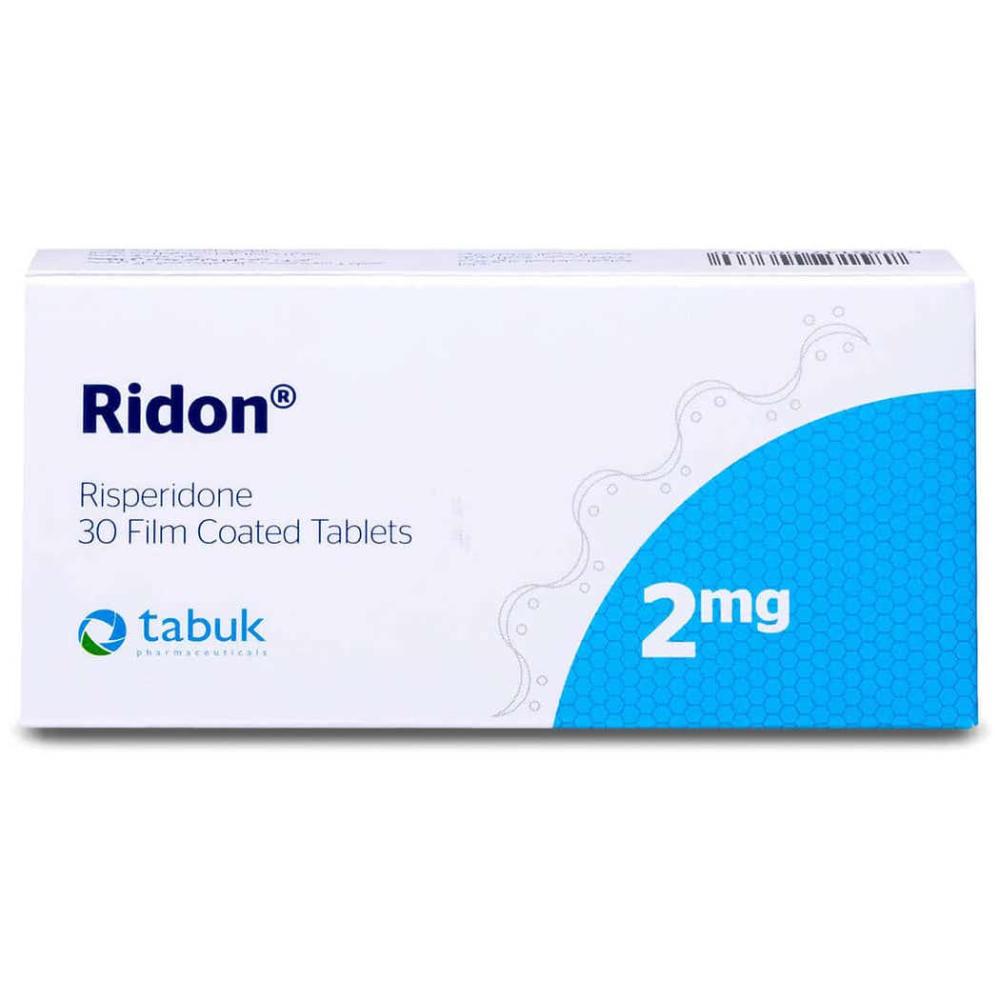
RIDON 2 MG 30 TABS

Many people experience mental health problems from time to time. But the anxiety associated with it becomes a mental illness when persistent signs and symptoms cause recurring stress and affect your ability to work and live your daily life.
In most cases, the symptoms can be managed through a combination of medication and talk therapy (psychotherapy).
One of those medications is Ridon (it is dispensed by prescription after evaluation by a specialist psychiatrist and continuous follow-up of the patient is required).
Genetic factors play a role. Mental illness is more common in people who have a birth relative with a mental illness. Certain genes may increase the risk of developing a mental illness, and your lifestyle may also contribute.
Prenatal environmental exposure. Exposure to environmental stressors, inflammation, toxins, alcohol, or drugs while in the womb can sometimes be linked to mental illness.
Brain chemistry. Neurotransmitters are chemicals naturally found in the brain that carry signals to other parts of the brain and body. When the neural networks containing these chemicals are impaired, the function of nerve receptors and nervous systems changes, leading to depression and other emotional disorders.
About 1 in 5 adults develops a mental illness each year, and mental illness can begin at any age, from childhood to late adulthood. The effects of mental illness can be temporary or long-lasting.
After diagnosis through physical examination, laboratory tests and behavioral assessment, the mental illness and its category are determined in order to guide and treat it appropriately. This may require a cooperative team and continuous follow-up.
Mood stabilizers
antidepressants
Antipsychotic drugs
Anti-anxiety
Schizophrenia
Obsession
Bipolar disorder
Tourette syndrome (control of involuntary movements)
extreme emotion or agitation
Active ingredient: Risperidone
Heart problems
kidney problems
liver problems
High blood pressure and cardiovascular disorder
Exposure to involuntary movements of the tongue, mouth, and face
I have previously experienced a condition whose symptoms include high fever, muscle stiffness, sweating, or decreased level of consciousness.
Involuntary tremors, dementia, and epilepsy
Diabetes
Abnormally high levels of prolactin hormone in the blood
History of blood clots